

 See My Latest Article on HelloNation

What Training Do Pet Boarding Staff Receive in Zionsville, PA?
Pet boarding staff in Zionsville, PA are generally trained to provide safe, compassionate, and consistent care for pets while their owners are away. While formal certification isn’t universally required, most staff undergo a combination of structured training, hands-on learning, and practical skills development. The exact nature of this training varies depending on the facility and the expectations of local pet owners.
Are There Legal or Regulatory Training Requirements?
There are no uniform statewide or municipal mandates specifically dictating training levels for every pet boarding employee. Pennsylvania laws focus more on facility safety, animal welfare, and cleanliness standards than on individual staff certification. Some facilities may exceed these minimum requirements to meet community expectations or professional standards.
However, most reputable locations in the area require at least:
- Familiarity with local animal welfare regulations and anti-cruelty laws
- Basic instruction in emergency protocols (fire, weather, evacuation)
- Knowledge of sanitation and disease prevention practices
What Kind of Training is Commonly Provided to Staff?
Most pet boarding facilities in Zionsville use an initial training period, sometimes called onboarding. New hires typically learn through a mix of shadowing experienced coworkers, classroom-style education, and demonstration.
Key areas covered may include:
- Safe animal handling techniques for dogs, cats, and small animals
- Proper use of leashes, harnesses, and safety gates
- Feeding routines and special diets
- Kennel cleaning, disinfecting, and odor management
- Recognizing signs of illness or distress in pets
On-the-job training is emphasized because each species, and often each pet, has unique needs and behaviors.
Are Staff Trained in Pet Behavior and Stress Management?
Most training programs touch on animal behavior basics, especially signs of anxiety, aggression, or illness. Understanding body language helps staff avoid incidents and comfort nervous pets, especially since boarding can be stressful for animals unfamiliar with group environments or new people.
Many facilities also train team members to:
- Spot subtle signs of fear or aggression
- Use positive reinforcement when managing groups of dogs
- Adjust routines for pets prone to stress or special needs (for example, older dogs or shy cats)
In communities like Zionsville, where families may keep both indoor and outdoor pets, staff also learn how to manage different pet personalities and socialization needs.
Do Staff Receive Specialized Medical or Emergency Training?
Training in medical care generally focuses on first response, not veterinary medicine. While boarding staff are not veterinarians, they are often trained to:
- Identify signs of common illnesses, such as coughing, lethargy, or digestive upset
- Administer basic first aid (bandaging minor wounds, safely restraining animals)
- Use emergency contact lists and communicate with local veterinary clinics
- Respond appropriately to incidents like allergic reactions, accidental ingestion, or dog altercations
Some facilities voluntarily offer staff certification in pet CPR and first aid, especially in areas where severe weather or power outages can delay veterinary care.
How is Ongoing Training Handled?
Continued training is a common expectation, especially as new pet care methods, disease risks, or animal handling tools become available. This might include quarterly refreshers, online modules, or updates following incidents or rule changes.
Frequent topics for ongoing education may include:
- New cleaning protocols for infectious disease outbreaks
- Seasonal considerations, like heat safety in summer or antifreeze hazards in winter
- Updates on animal nutrition or medication management
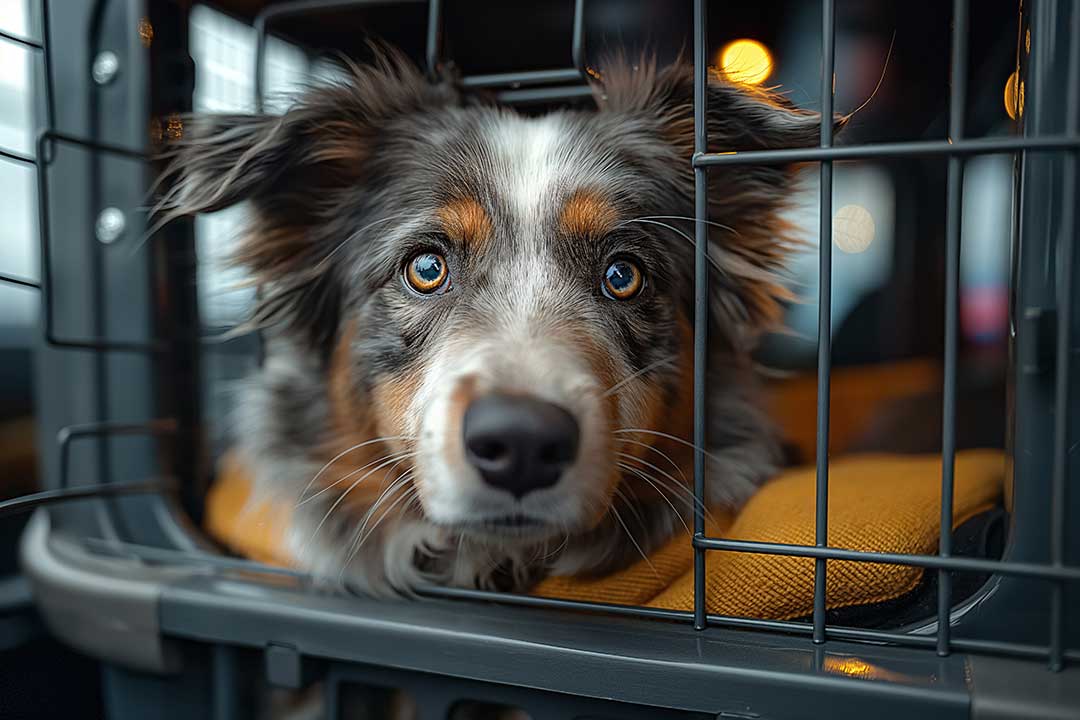
In Zionsville, the mix of rural and suburban living means staff are sometimes introduced to less common animals (rabbits, reptiles) and must broaden their skill set beyond dogs and cats.
How Are Communication and Customer Service Skills Addressed?
Besides animal care, staff are often trained in effective communication. Pet owners in Zionsville expect regular updates, transparency, and the ability to discuss concerns or special instructions. Training covers:
- Respectful, clear communication with pet owners
- Record keeping for feeding, medication, and exercise
- Handling customer questions regarding pet behavior or incidents
The ability to manage both pets and people calmly is highly valued throughout the community.
Are There Any Common Misconceptions?
Many people assume all pet boarding staff are certified trainers or vet technicians. In reality:
- Most staff have hands-on animal experience, but not all hold formal veterinary or training credentials.
- Training quality varies; established facilities tend to offer standardized programs.
- An individual’s personal experience with animals (for example, owning multiple pets) often complements formal training, especially in smaller or family-run operations.
It is reasonable, especially in Zionsville where pets are often considered family, for residents to ask about specific staff training practices before choosing a boarding option.
Does Staff Training Take Local Factors Into Account?
Absolutely. The training provided to staff reflects both the climate and community norms in Zionsville. For example:
- Cold winters prompt extra instruction on monitoring outdoor exercise time and shelter warmth.
- Tick and flea prevention is emphasized due to the region’s wooded settings and seasonal pests.
- Staff are educated about handling pets accustomed to both rural space and suburban backyard routines, tailoring exercise and playtime as needed.
Boarding providers in the area strive to reflect the expectations and needs of local pet owners, blending formal guidance with practical experience.