

 See My Latest Article on HelloNation

Can Pets Feel Happy While Staying at Boarding Facilities in Zionsville, PA?
Pets can feel comfortable and even content at boarding facilities, but individual experiences vary widely. Local residents often ask whether their dogs or cats will truly be happy, and the answer depends on factors such as temperament, boarding environment, and the degree of preparation before the stay. While not all pets respond the same way, many adapt well to boarding with the right support.
What Factors Contribute to Pet Well-Being in Boarding Setups?
A pet’s well-being in a boarding setting depends on multiple interconnected elements. In Zionsville, facility design and local climate both play a role. Most area boarding facilities feature climate control to handle the region's changes in temperature and humidity, aiming to minimize seasonal discomfort. Other factors include:
- Noise levels: Some pets become tense in loud or busy environments.
- Cleanliness: Sanitary conditions are critical for both comfort and health.
- Enrichment activities: Playtime, outdoor walks, and socialization opportunities help prevent boredom.
- Staff interaction: Attentive caretakers can ease transitions and quickly spot signs of distress.
Every pet arrives with their own background and preferences, so facilities often try to tailor care, such as grouping sociable dogs for play or offering quiet zones for those preferring solitude.
How Do Most Pets React Emotionally to Boarding?
Many pets show mild anxiety or uncertainty when first introduced to a boarding facility, especially if they’ve never been away from home overnight. This initial unease tends to lessen as animals settle into new routines. In Zionsville, residents sometimes notice their pets behaving differently after a boarding stay—sometimes more tired, more clingy, or more aloof. This is usually temporary.
With proper acclimation, some dogs may become excited to return to familiar kennels, recognizing regular staff or routines. Cats, being generally more territorial, may be slower to adjust, but many will eat, use litter boxes, and rest normally after a day or two.
Are There Differences Between Dogs and Cats When Boarding?
Yes, dogs and cats usually have different experiences and needs during boarding. Dogs often enjoy increased social interaction and the stimulation of new places, provided they are not extremely shy or fearful. Activities such as group play and regular walks can contribute to a positive experience, especially for breeds with high energy levels.
Cats, in contrast, thrive on stable routines and environments. Changes in smells, sounds, and human caregivers can be stressful. Boarding setups that include private enclosures, hiding spots, or feline-only wings tend to support feline comfort. In both cases, gradual exposure and familiar items from home—such as a favorite blanket or toy—can help ease the transition.
What Signs Indicate a Pet's Comfort or Discomfort During Boarding?
Pet comfort can be observed through several behaviors:
- Eating and drinking normally
- Willingness to engage with caregivers or toys
- Relaxed body language (tail position, posture, facial expressions)
Signs of stress or discomfort may include:
- Changes in appetite
- Excessive vocalization (howling, whining, or meowing)
- Pacing, restlessness, or withdrawal
- Gastrointestinal upset (loose stools or vomiting)
It’s common for pets to show mild stress for the first day or two. If symptoms are more severe or persistent, it may indicate the setting is not suitable for that individual.
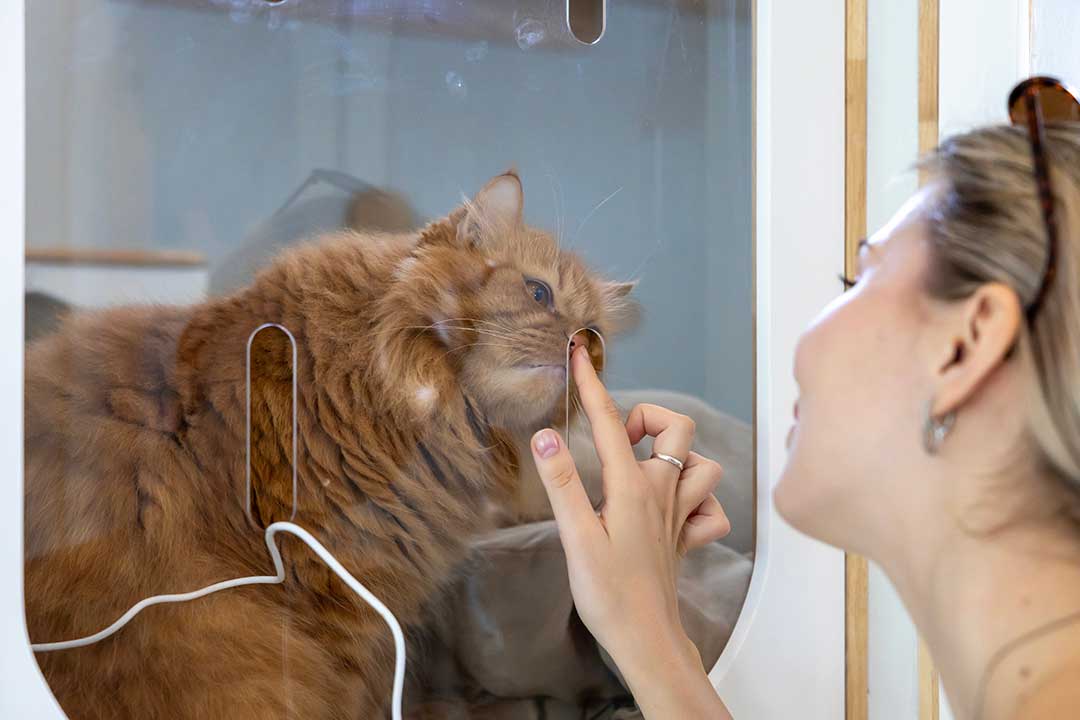
Are There Strategies to Help Pets Adjust to Boarding Life?
Helping a pet adjust starts before the boarding stay. Practical recommendations for Zionsville area residents include:
- Scheduling a short “trial” day or overnight before a longer trip
- Bringing familiar bedding, toys, or items from home
- Keeping feeding and medication routines consistent
Advance preparation often increases comfort, as does honest discussion of a pet’s quirks or needs with facility staff. Some pets do best with regular updates or short video calls, which some facilities may accommodate.
How Can Weather or Seasonal Changes in Zionsville Affect Boarding Experiences?
Local climate conditions do influence pet experiences. For example, humid summers may mean facilities need to focus more on air conditioning and ventilation, especially for breeds prone to overheating. Cold winters in the region require well-insulated indoor areas with reliable heating, since dogs may have less outdoor playtime. Always verify that a facility meets these needs, as comfort in extreme weather isn’t a universal feature.
Can Every Pet Adapt to Boarding, or Are Some Better Off at Home?
Most pets are able to adapt to boarding, especially with gradual exposure and personalized care. However, some—such as those with extreme anxiety, specialized medical needs, or a strong attachment to home—may never fully settle in a facility environment. In these cases, alternatives like in-home pet sitting can be considered.
Even within boarding populations, flexibility is important: a young, outgoing dog may become a regular who looks forward to “doggy camp,” while a senior cat may always prefer the comforts of home. Assessing personal needs and sensitivities is key to a good experience.
Common Misconceptions About Pet Happiness in Boarding
Not all pets are “miserable” at boarding facilities, despite persistent myths. Key misunderstandings include:
- Believing all pets experience distress—many actually enjoy new interactions or stimulation.
- Assuming guilt for leaving a pet—pets typically do not associate absences with abandonment.
- Expecting immediate adjustment—just like humans, animals need time to adapt to new surroundings.
With preparation, honest assessment of individual needs, and thoughtful facility selection, most pets from Zionsville can have comfortable—and sometimes even enjoyable—boarding experiences.