

 See My Latest Article on HelloNation
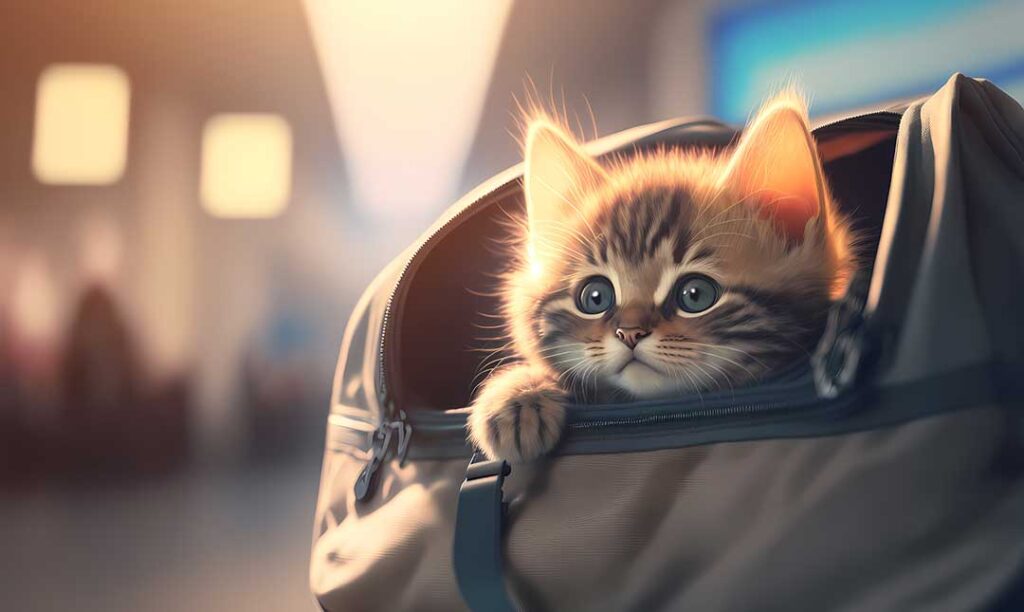
What Causes Separation Anxiety in Pets During Boarding?
Separation anxiety in pets often results from sudden changes in environment, routine, and prolonged absence of familiar people. For Zionsville, PA area pets, this can be particularly noticeable during boarding due to new sounds, smells, and caretakers.
Most dogs and cats are creatures of habit. When their normal patterns are disrupted—such as being left in a different place while their families travel—they can become stressed and anxious. This stress might show up as whining, barking, destructive behavior, excessive grooming for cats, or changes in eating habits.
How Can Pre-Boarding Preparations Help?
Preparing a pet for boarding helps reduce uncertainty and decrease the risk of anxiety, especially for animals not often left outside the home.
- Schedule a few short "practice stays" (half-days or single overnights) at the boarding location before a longer trip. Pets get used to the new environment gradually.
- For Zionsville residents, acclimate pets to car rides and safe crate time, since many will be transported by vehicle to board.
- Bring a familiar blanket or unwashed item with your scent. Some pets find comfort from a shirt, pillowcase, or well-loved toy from home.
Do Certain Pets Need Extra Consideration?
Yes, young puppies or kittens, seniors, and animals with a sensitive temperament often require individualized transitions. These pets tend to be more attached to their owners and more easily stressed by environmental changes.
For especially anxious pets, gradual introductions, paired with routines similar to home life, work best. Area households sometimes underestimate how much difference a familiar feeding schedule or bedtime ritual can make. Clearly written instructions for the boarding staff about quirks, fears, or medical needs support continuity of care.
What Comfort Items Should Be Sent Along?
Items that smell like home tend to reassure pets during a boarding stay.
- Favorite beds or small blankets
- Chew toys or puzzle feeders for mental engagement
- Personal items with your scent (worn T-shirt, pillowcase)
- Usual food (especially for pets on a strict diet)
Be sure these items are allowed by the boarding facility and appropriate for group settings. Avoid anything that could present a choking hazard, especially if your pet will be unsupervised for periods.
How Can Routine and Familiarity Be Maintained?
Maintaining familiar routines is one of the most effective ways to ease a pet’s transition. Consistency in feeding, exercise, and medication schedules makes the new environment feel predictable.
- Provide clear, written instructions about daily routines.
- For dogs used to two walks per day, note preferred walking times and style (e.g., brisk vs. leisurely).
- For cats, suggest daily play sessions with a favorite toy around the same time as at home.
- Label any medications and explain usage, especially for seniors or chronically ill pets.
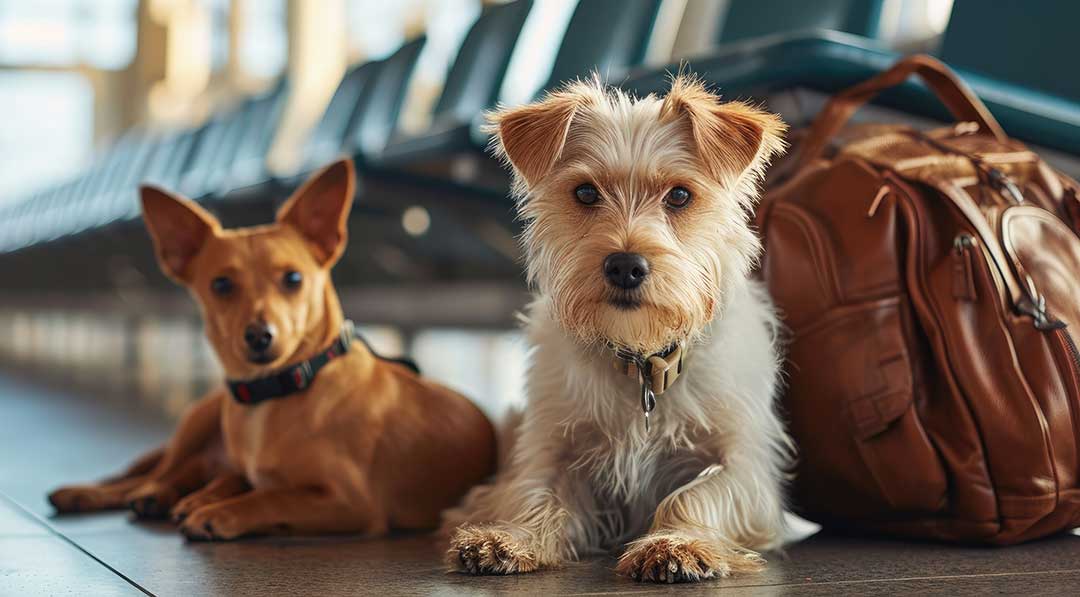
Should Residents Keep Goodbyes Short?
A calm, quick goodbye often works best to avoid reinforcing a pet’s anxiety. Drawing out separations can heighten stress, especially in sensitive pets. If pets pick up on owner anxiety, their own unease can increase.
- Stick to a normal, upbeat routine as drop-off approaches.
- In the Zionsville community’s experience, acting confident and composed tends to reassure pets more than tearful farewells.
Can Technology Help Monitor Pets During Boarding?
Some local facilities offer live video feeds or app updates that allow owners to check in virtually. While not every pet owner will need or want this, it can provide peace of mind and reduce human anxiety—which pets often sense.
However, constantly checking in or calling boarding providers can be counterproductive if it creates more worry for both owners and animals. Trusting the chosen facility—and communicating special needs in advance—frees both pet and owner to settle in more comfortably.
What Common Misconceptions Exist About Pet Boarding Anxiety?
Many local households expect separation anxiety only in young or “spoiled” dogs, but it is actually common in pets of all ages. Senior animals, rescue pets, and even some confident adults can struggle if suddenly removed from their normal routine.
Another misconception: that a favorite treat or toy alone will fully calm an anxious pet. While familiar items help, preparation and communication about pet needs matter just as much.
How Does Zionsville’s Community Lifestyle Affect Pet Transitions?
Large yards and quiet neighborhoods in and around Zionsville create a relatively low-noise and stable home environment for many pets. Boarding environments, however, may have higher noise and more activity. This contrast can increase anxiety in pets used to private yards or households with few visitors.
For these pets, slow exposure to new sounds and sights before boarding is helpful. Playing recordings of barking or crowd noise at low volumes for brief periods ahead of time can condition pets before their stay.
Are There Ways to Support Pets After Returning Home?
After boarding, pets may need a short adjustment period. Return to regular routines quickly and maintain patience if pets display clinginess or altered behaviors. For Zionsville households returning home during winter or summer extremes, ensure pets have comfortable access to water, warm bedding, or air conditioning as needed.
Most pets readjust within several days. If anxiety persists or new problematic behaviors develop, consult your veterinarian to rule out health concerns.