

 See My Latest Article on HelloNation
What Should Residents Look For on an Initial Visit?
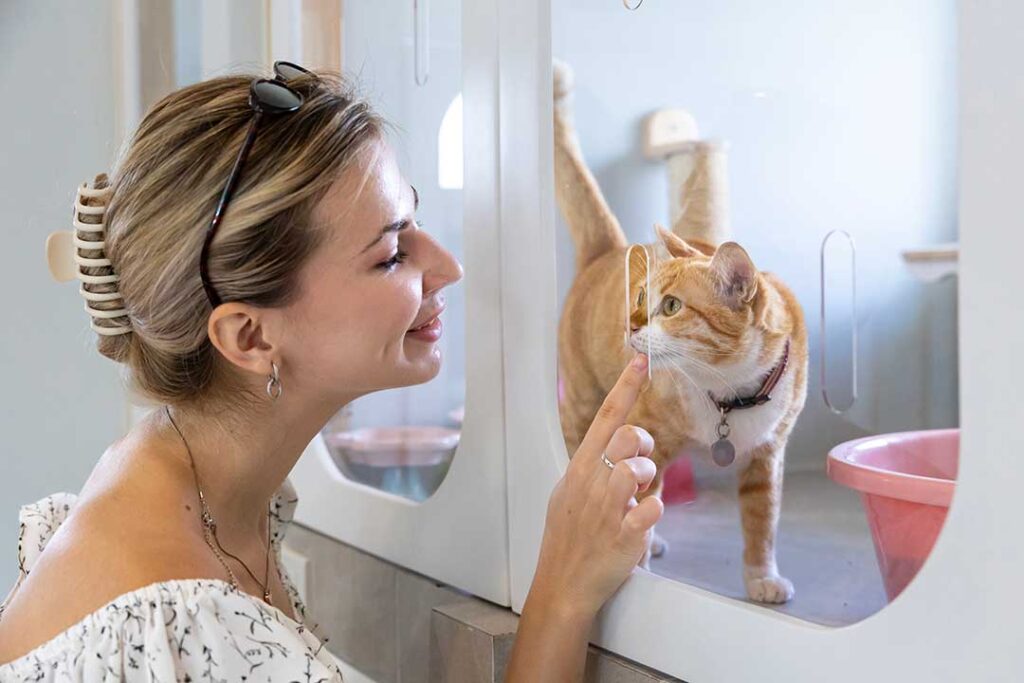
Assessing cleanliness and safety in a pet boarding facility starts with a personal visit. A walk-through provides the most direct insight into the environment your pet would experience. Ideally, facilities will allow area residents to view spaces where animals spend most of their time—such as sleeping areas, exercise yards, and indoor common rooms.
During your visit, watch for:
- Floors and surfaces that appear freshly cleaned, free from fur buildup, dirty paw prints, or lingering mess.
- Pet enclosures (kennels or suites) that have fresh bedding and no noticeable odors of waste or harsh chemicals.
- Food and water bowls that look well-maintained, without traces of old food or debris.
- Storage of cleaning and disinfecting materials away from areas pets can access.
Even in mud-prone Zionsville winters or pollen-heavy spring, facilities should have strategies to quickly address paw prints, dander, and shedding that comes with local pets’ seasonal coat cycles.
How Can You Tell If Health and Hygiene Protocols Are Followed?
After visual impression, ask specific questions about daily routines. A responsible boarding facility in the area will be able to explain protocols for cleanliness and disease prevention.
Key details to clarify include:
- Frequency of cleaning and disinfecting kennels, play areas, and common touch points (at least once daily, sometimes more during flu season or with high occupancy).
- Methods for handling waste promptly and how solid waste is disposed of, given the rural and sometimes well-dependent infrastructure in much of Zionsville.
- Policies for cleaning up after accidents, including rapid response for spills or elimination accidents to minimize spread of bacteria or parasites.
Staff should mention isolation procedures for animals displaying signs of illness and ask about your pet’s vaccination records. This signals that basic disease-prevention standards are taken seriously.
Are There Signs of Proper Ventilation and Climate Control?
Good airflow and stable temperatures are essential for animal comfort and to prevent odor or mold build-up, which can be issues in certain older buildings or during humid Pennsylvania summers.
To judge this:
- Check that shared areas are not stuffy, overly warm, or cold—there should be a fresh or neutral smell, not heavy artificial scent masking stronger odors.
- Look for ceiling fans, window vents, or active HVAC systems in use.
- Notice if doors or windows are periodically opened for airflow, but also if screens or barriers are in place to prevent animal escapes.
In Zionsville’s mixed residential and rural layouts, some facilities may use both central air and local climate solutions; ask how temperature is monitored during seasonal extremes.
What About Facility Security and Animal Safety?
Beyond visible tidiness, safe boarding environments minimize risks of escape, injury, or unwanted animal interactions. This is particularly relevant given local wildlife or the occasional neighborhood dog that gets loose.
What to observe:
- Secure fencing around yard or exercise areas, with double-gate or entry vestibules to reduce the risk of animals slipping through.
- Kennel latches, doors, and barriers that close properly and do not show signs of rust, chewing, or makeshift repairs.
- Surveillance cameras or check-in systems in place, even in smaller community boarding centers, are a positive sign of accountability.
- Separation of animals from different households, unless pre-approved play sessions are closely supervised by staff.
Common misconception: assuming a rural setting guarantees safety from outside animals or traffic. Facilities should always have perimeter checks and maintain boundaries even in low-traffic areas.
Are Staff Trained and Attentive?
The best procedures are only as effective as the people who follow them. Observing or asking about staff routines can reveal a lot about overall standards.
Points to consider:
- Staff are visible, clean in appearance, and aware of the animals’ needs.
- Team members can describe emergency protocols for inclement weather, escape attempts, or medical needs—especially relevant with the region’s occasional storms and snowfall causing disruptions.
- You observe attentive monitoring rather than distracted or hurried interactions; this ensures pets aren’t left unattended or ignored.
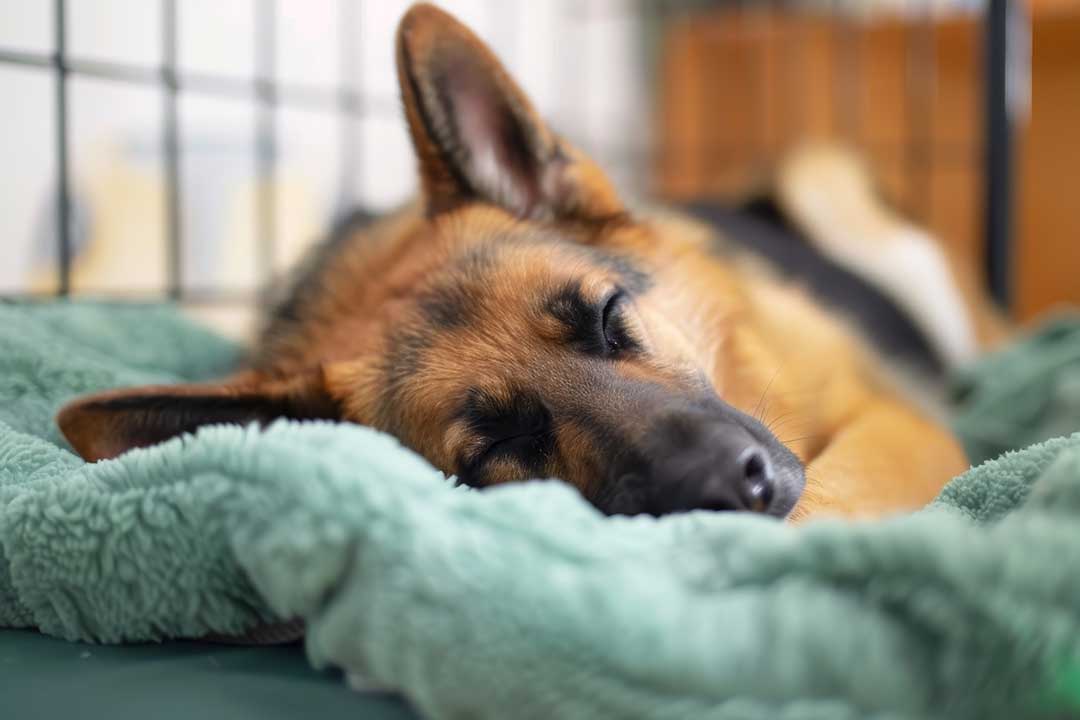
In an area like Zionsville, where neighbors may know each other and word travels quickly, facilities generally value their standing—responsible staff take pride in a job well done.
What Documentation and Policies Should You Review?
A well-run pet boarding center will be transparent about requirements and provide written policies:
- Up-to-date vaccination policy (proof required for all guests).
- Incident reporting procedures—how you’d be informed if your pet gets sick, injured, or lost.
- Emergency contacts and plans for veterinary care.
- Rules regarding medication administration and special dietary needs.
Make sure policies suit local pet-owning norms: for example, clarify if the staff are comfortable handling pets coming from households with backyard chickens or other small livestock, which are common in rural fringes of the city and could affect exposure risk for parasites.
How Can You Identify Overlooked Risk Factors?
Some risks aren’t obvious at first glance.
Be alert to:
- Standing water or soggy outside areas (mosquito breeding grounds in warm months, hidden ice slicks in winter).
- Shared water bowls among many dogs (which can transmit illness).
- Lack of dedicated staff to monitor group play, especially during high boarding demand around holidays and school breaks.
- Spaces that are too cramped for larger breeds or high-energy dogs—Zionsville homes often have large outdoor spaces, so a lack of room can surprise some pets.
It’s worth asking how group sizes are managed, especially during peak vacation seasons when many local families travel at the same time.
What Questions Should You Ask Current or Past Clients?
Local word-of-mouth is powerful in Zionsville communities. If you’re able, ask neighbors or friends:
- Did their pet come home healthy and relaxed?
- Were there any unexpected fees or unclear policies?
- Did the staff alert the owner about minor incidents, or only about serious issues?
- Are there concerns about noise, stress, or cleanliness after multiple stays?
This perspective can reveal everyday realities—especially when deciding between facilities that appear similar in online searches.