

 See My Latest Article on HelloNation
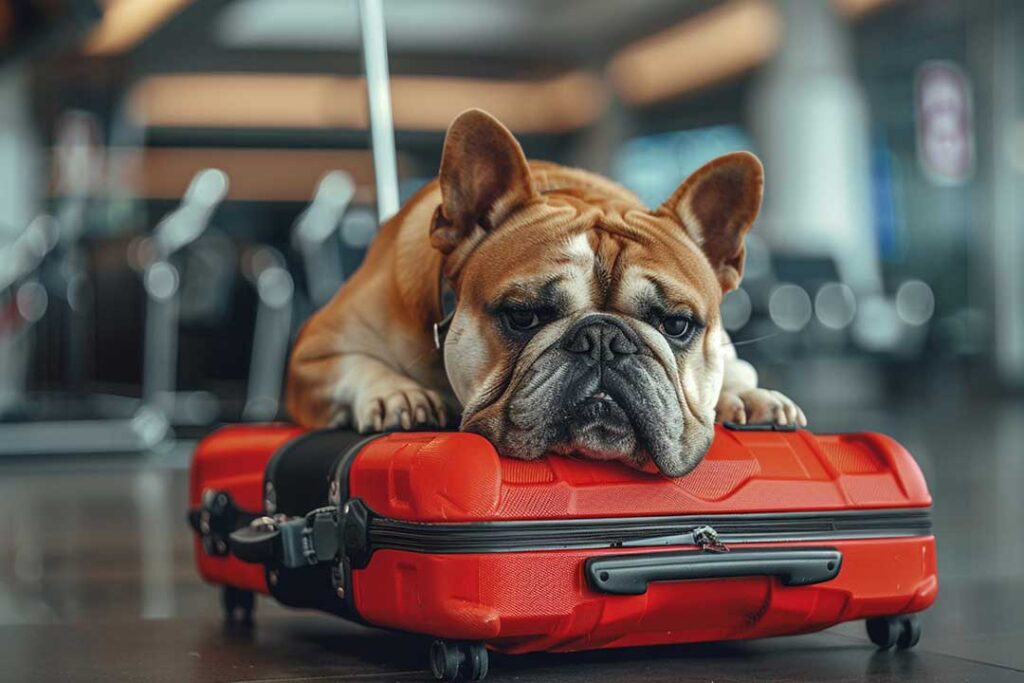
What Should Zionsville, PA Pet Owners Do Before Boarding Their Pet Overnight?
Taking steps before drop-off can make a big difference in your pet’s experience. Pets, especially dogs and cats, may feel stress when separated from familiar surroundings. In Zionsville, varied housing—from larger rural properties to denser developments—means some pets are used to different routines and levels of activity. Owners should:
- Visit the facility in advance, if possible, so the pet can sniff and explore. This helps lessen anxiety about new smells and sounds.
- Bring vaccination records up to date. Most local boarding facilities require proof of rabies, distemper, and in many cases, bordetella (kennel cough). Check your veterinarian’s current recommendations if unsure.
- Confirm that your pet is microchipped and that registration details are current. Pets sometimes escape or get disoriented if nervous or unfamiliar with new settings.
How Can You Prepare Your Pet’s Belongings for Overnight Stays?
Packing appropriately helps comfort the animal and supports a smooth stay. Local weather in the city can shift quickly, particularly between seasons, so consider temperature and the length of stay. Essentials typically include:
- Familiar bedding or a favorite blanket—smells from home can be soothing.
- Favorite toys (non-squeaky or safe chew toys for dogs; small plush toys for cats).
- Enough food for the entire stay, measured out by meal, plus clear feeding instructions. Some pets have special diets or food allergies that must be accommodated.
- Medications with clear labels and instructions if needed.
- Leash, collar with ID, and a harness if a dog is used to walking that way.
- List of behaviors, quirks, or anxieties your pet displays (e.g., fear of thunderstorms, separation anxiety, resource guarding).
If your pet is used to sleeping in a crate at home, include their crate if practical. Zionsville’s quieter nighttime environment can make nighttime unfamiliar noises (like HVAC systems or distant traffic) stand out, so having home comforts helps minimize stress.
What Health and Safety Considerations Matter Most Locally?
Veterinary care access is solid in the area, but it’s best not to assume a boarding facility will treat emergencies unless they offer that specifically. Before leaving your pet:
- Provide emergency contact information, including your vet and a local backup (like a neighbor or friend in the city).
- Share details about allergies, ongoing conditions, or EFAs (emergency first aid plans).
- Repackage medications in daily-pill containers with the pet’s name and dosing schedule clearly written out.
Fleas, ticks, and other local pests are an issue in semi-rural neighborhoods and summer months. Make sure your pet is up to date on preventives. Some boarders may inspect pets at drop-off and refuse animals with visible pests.
How Can You Reduce Stress for Your Pet?
Clear routines and direct communication help animals adjust more easily, particularly in unfamiliar places. To set up your pet for success:
- Keep your own stress levels down; pets often detect owner anxiety.
- Maintain your normal routines up to the day of drop-off. Feed, walk, and play with your pet as usual. Drastic changes before boarding may compound stress.
- Drop off your pet during the facility’s quiet hours if possible. Early mornings or times between rushes often mean less chaotic check-ins.
- Avoid long goodbyes at drop-off—quick, calm farewells tend to make the transition easier.
- Consider desensitizing nervous animals in advance. Practice short absences, or allow a trusted friend to pet-sit for a few hours and report back on how your pet handles your departure.
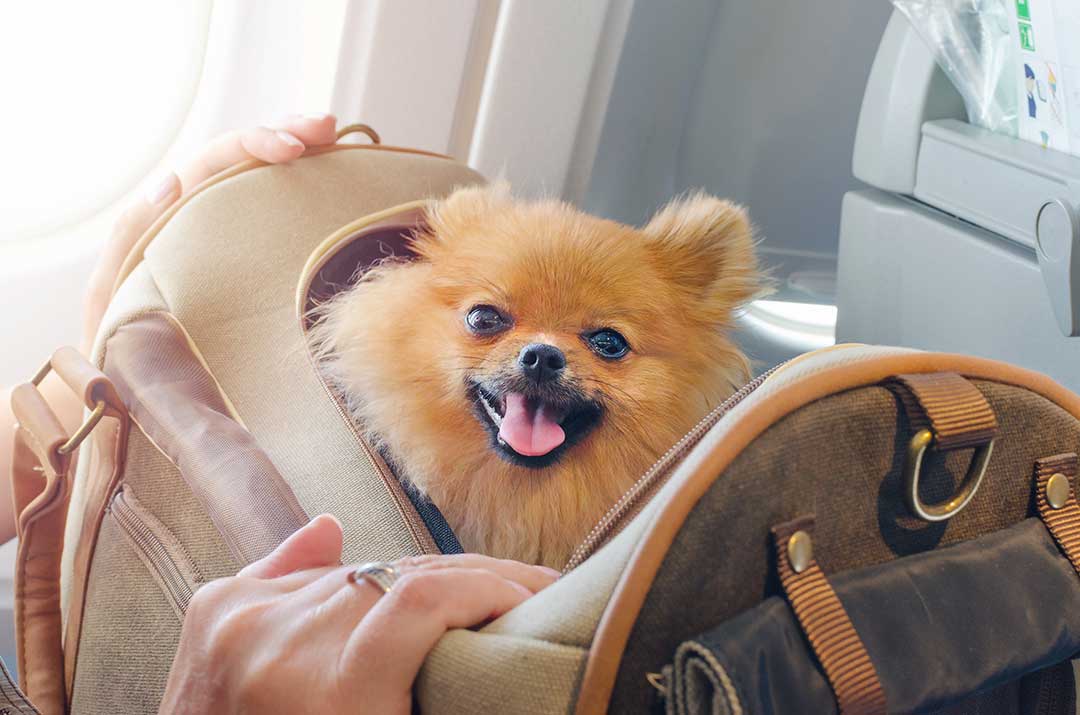
Pheromone sprays (for cats) or calming treats (with veterinarian approval) are sometimes used for pets prone to anxiety during transitions.
What Information Should You Share With the Boarding Facility?
Detailed, accurate records help ensure the best care for your pet during an overnight stay. Fill out intake forms fully, and go beyond basics by sharing:
- Specific feeding instructions (portion size, times, restrictions)
- Medication details (doses, times, means of administration)
- Contact numbers for emergencies, and alternative contacts within Zionsville in case you’re not available
- Recent behavioral changes (e.g. separation anxiety, excessive barking, recent aggression, other pets at home)
- Triggers (fear of thunder, aversion to certain types of animals, etc.)
If your pet is used to particular walking routes, let caregivers know—this is especially relevant in the city where neighborhood layouts can vary and some roads may be busier or noisier than your street.
Common Misconceptions About Overnight Boarding
Not all pets “just adjust” naturally to boarding, and many Zionsville-area residents may overestimate how quickly their animal will settle in:
- Some owners believe drop-offs are hardest on puppies or young animals, but older pets, or those who are less socialized, may actually have more difficulty.
- A common error is assuming a tired dog (e.g., after a long hike in the city’s trails) will be less anxious. Physical exhaustion does not always translate to emotional comfort.
- It’s often thought that “all dogs love group play,” but some pets do best with limited human contact or solo activities, especially if they’re not used to high-energy environments.
It’s important to assess your pet’s temperament honestly, rather than basing decisions on typical breed behavior or previous boarding experiences.
How Early Should You Start Preparing?
Aim to start acclimating your pet at least a week before their overnight stay. For particularly nervous animals or those new to boarding, several weeks of gradual exposure (practice separations, car rides, crate training) can make a major difference.
Plan any required vet appointments (for updated shots or health checkups) at least two weeks in advance, in case extra time is needed to recover from minor reactions such as vaccine soreness.
Planning ahead is especially helpful when boarding during peak travel periods in the city, like summer vacation, major holidays, or spring break, as facilities may be busier and less flexible with intake times.